
Peru
Peru one of the most beautiful countries I know – I started my trip in the capital Lima. Not a very pretty city, just a big one. Every traveler will visit it but mostly you won’t like it. It is also said that Lima is a very dangerous city, dirty and with horrible traffic but it also has some beautiful and pleasant places.
If you visit the historic center, you can see that the city administration is restoring the wonderful colonial architecture to make it more attractive to the international public. But the center and the pedestrian zone are only a few blocks. Most tourists stay in the neighborhoods of Miraflores or San Isidro where the wealthy community lives.
Or – for me the best option – they go to Barranco. The quarter of art and night culture. The atmosphere of Barranco is a lot more relaxed than in other places. There are many markets for handcraft stuff and food. The architecture is wonderful, you can go to the beach by a staircase or you stay upstairs and enjoy the sunset in a place with a view of the sea. And at night you can go to some of the best bars in Lima or visit one of the clubs and dance all night.
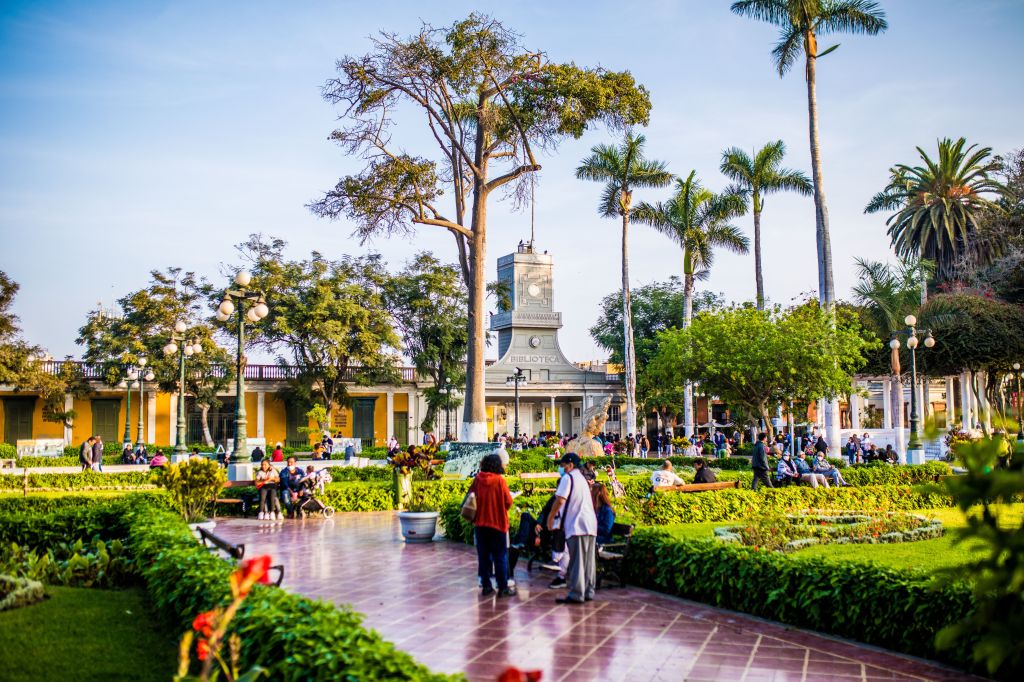


In Lima I rented a car and drove to Paracas, a town on the coast 260 kilometers south of Lima. Paracas is famous for its biosphere reserve and for excursions to the Ballestas Islands. Unfortunately it was not possible to visit these islands because the sea was very rough, so we could only do a tour to the White Islands – but it was a blast too.
In the afternoon I was exploring the Paracas National Reserve with its dunes, cliffs and beaches. In the town of Paracas you can rent quads, bicycles or motorcycles, which I think are the best option to discover the reserve from all sides, because the guided excursions will only show you a really small part of the reserve.
From Paracas I continued my trip to the oasis of Huacachina near the city of Ica. For me one of the most beautiful places in Peru. I stayed there for almost a week and for me Huacachina is the perfect place to relax and enjoy life. Of course, it is very touristy and everything is more expensive than in other towns, but the dunes of the Ica desert are fantastic. I have gone up to one of the highest ones every afternoon to stay there and enjoy one of the most beautiful sunsets I have ever seen in my life.

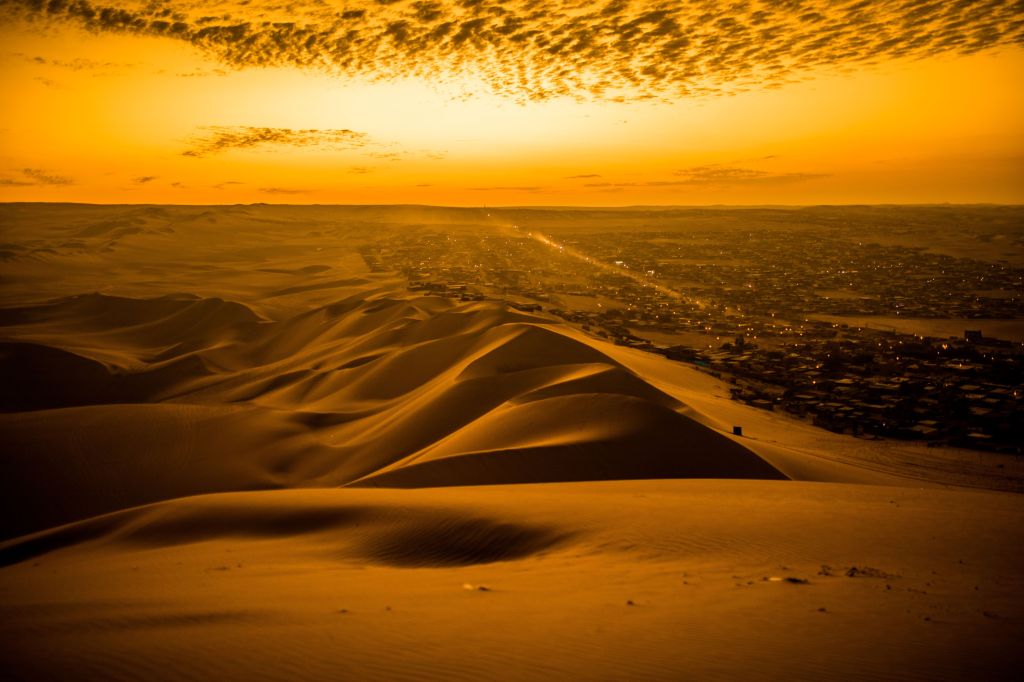

I also did one of the inescapable buggy tours and it was amazing even though all the drivers are maniacs. If you stay around Ica for a little longer you can take an excursion to a pisco winery where they explain you how the pisco and the wines of the Ica Valley are produced. For people from Europe or wine lovers it will be a bit unusual that most of the wines they let you taste are very sweet. I tried the first wine from the Ica Valley which was dry and tasty in Cusco a week later.
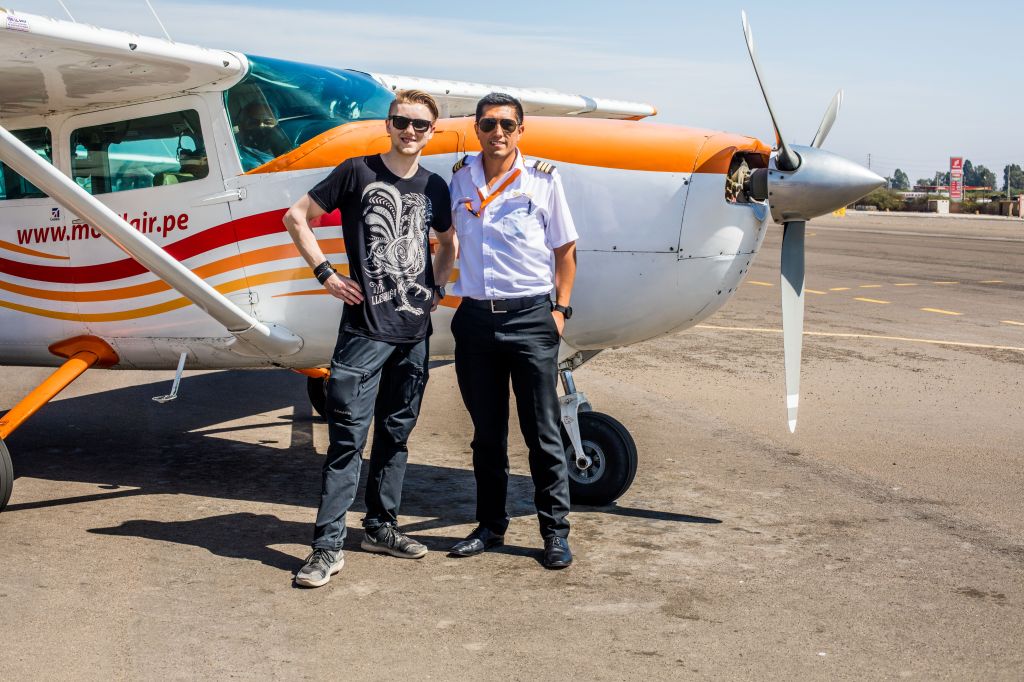
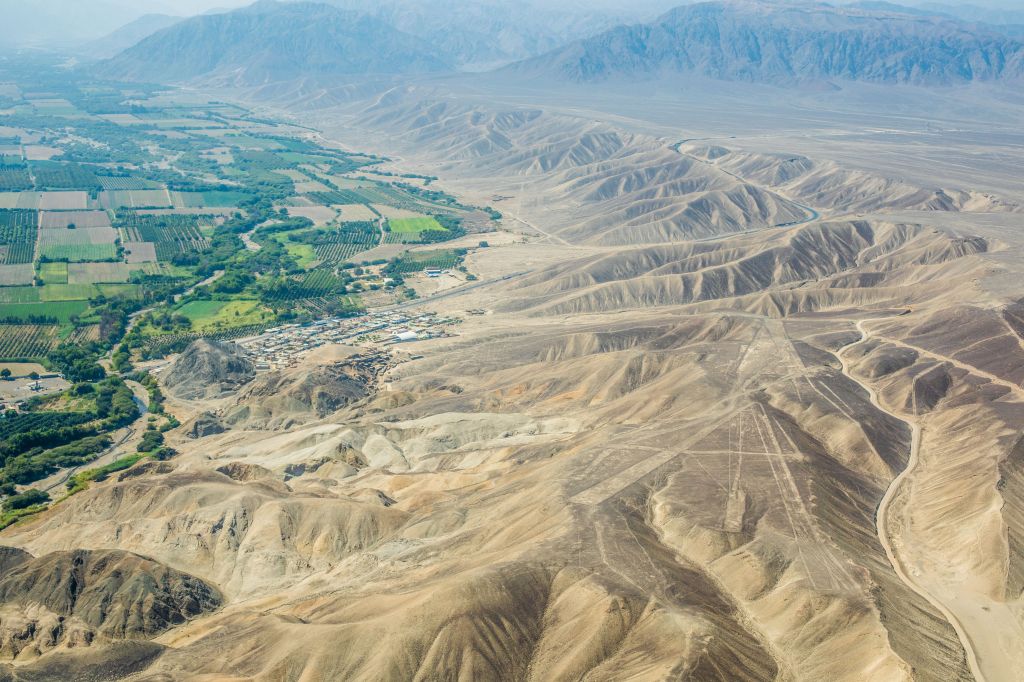
From Huacachina I went to Nazca for a few days to fly over the famous Nazca lines. The flight with one of the tiny planes is probably the worst flight in the world but the one with the best experience I’ve ever had in my life. I won’t recommend it for people with a light stomach because the pilot is constantly turning the plane – 90 degrees to the right, 90 degrees to the left – for 30 minutes. Apart from the nausea, you have an impressive perspective for viewing the lines.
If you stay in Nazca over night I would recommend a visit to the Maria Reiche observatory at the DM Hotel in the town center. It is not a classic observatory but there is an old man who is making the guide with a lot of love. He shows you a little movie about the lines and theories why the tribe of Nazca built them and if the sky is clear of clouds you have a perfect view of the sky – in the city center!
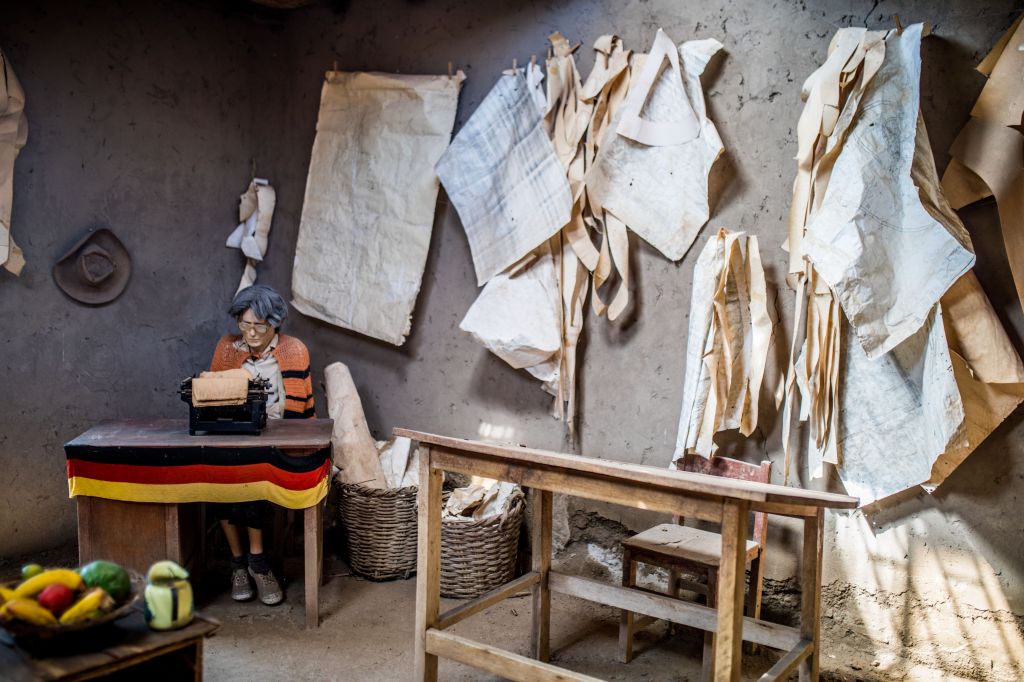
Back on my way to Huacachina I stopped at Maria Reiche’s house for a while, which is a small museum.
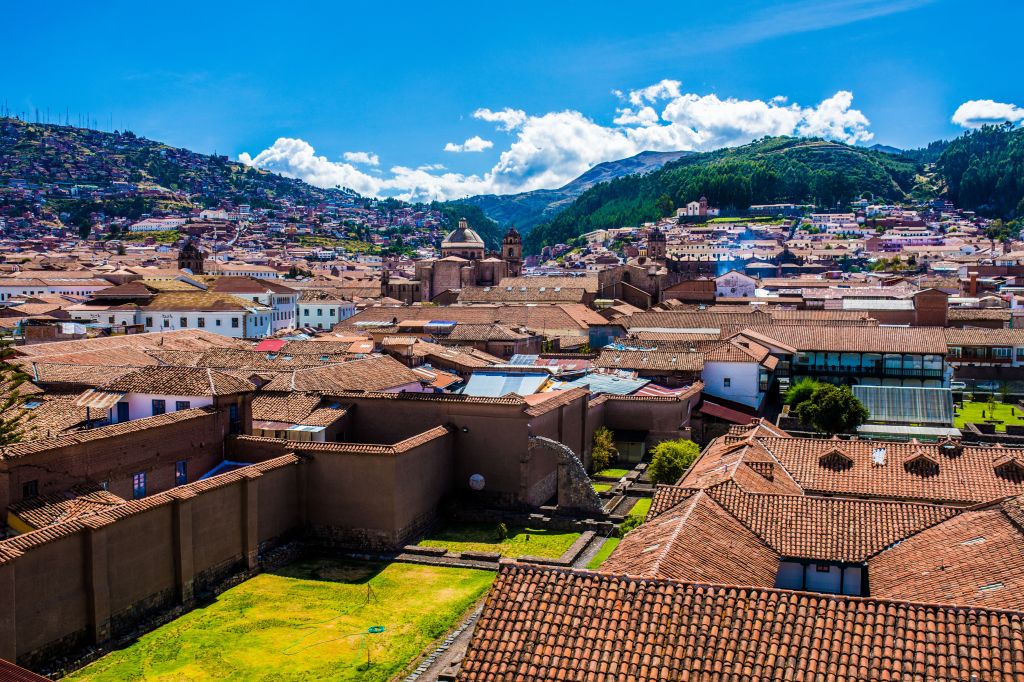
I stayed in Huacachina for a few more days and then returned to Lima to catch a flight to Cusco, the Andean pearl. The city with its small alleys is located 3400 meters above the sea level and is mixture of colonial architecture and the ruins of the Inca culture. The people, the markets, crafts and Andean food is definitely making Cusco to one of the most beautiful cities in Peru. Unfortunately tourism is very commercialized and on every corner someone wants to sell you something.
My recommendation is always to leave the big squares like the Plaza de Armas and say goodbye to the urban jungle in the alleys. In smaller streets you’ll find more authentic areas and the sellers are not as pushy. Also you always have to haggle – you should never pay the price they tell you first.
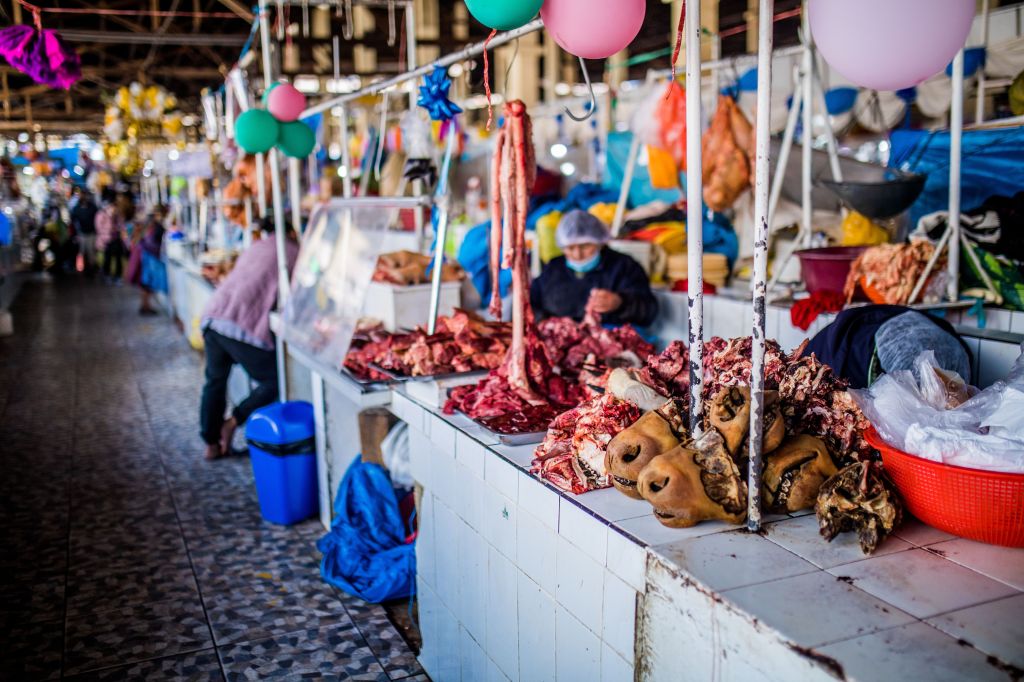
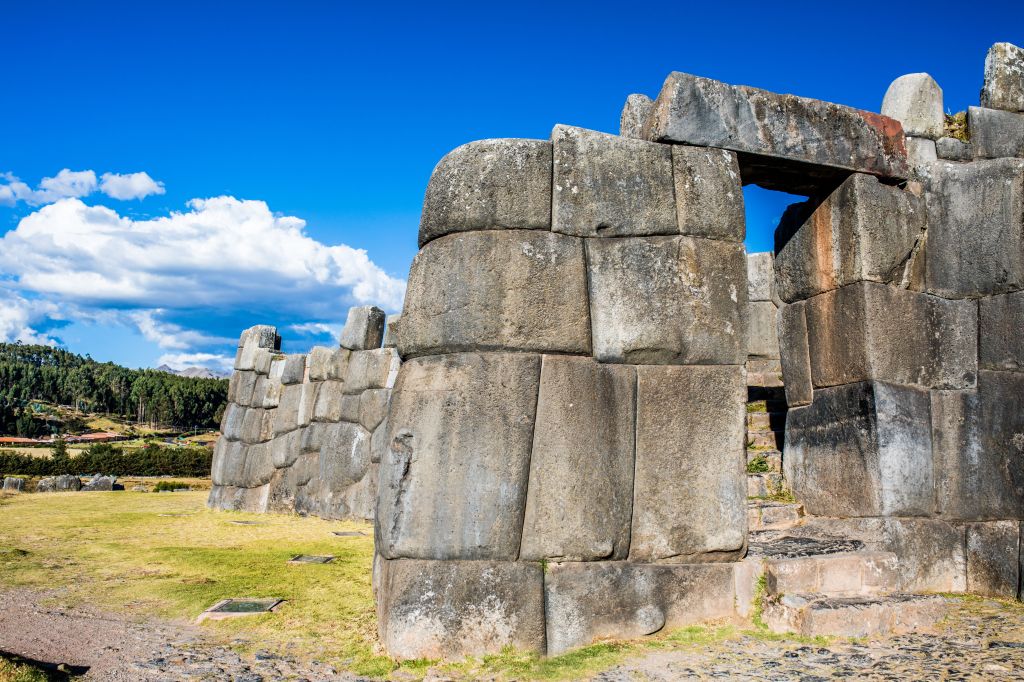
In Cusco you could stay for a month or longer. It is the door to Machu Picchu, but there is much more to see around as for example, the ruins of Sacsayhuamán and Q’enco, the San Pedro Market, the Coricancha Temple or a tour to the mountain of seven colors and so much more activities that can be done.
Departing from Cusco I travelled to Machu Picchu, leaving my luggage at my hostel in Cusco and hopping on a train to Aguascalientes. I’ve chosen the bimodal service of Inca Rail which takes you by bus from Cusco to Ollantaytambo where you board your train. That option costs you about 120 dollars at least. There is also the option of taking a minibus that takes you to the hydroelectric plant in at least six hours and from there you need to walk two and a half hours to Aguascalientes following the train tracks.
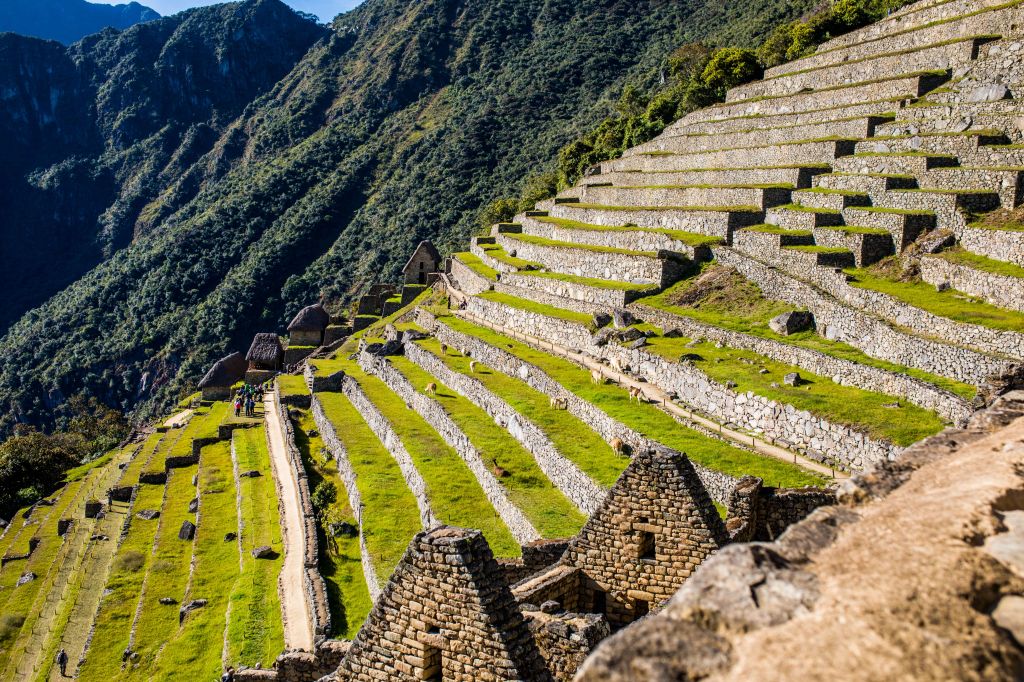
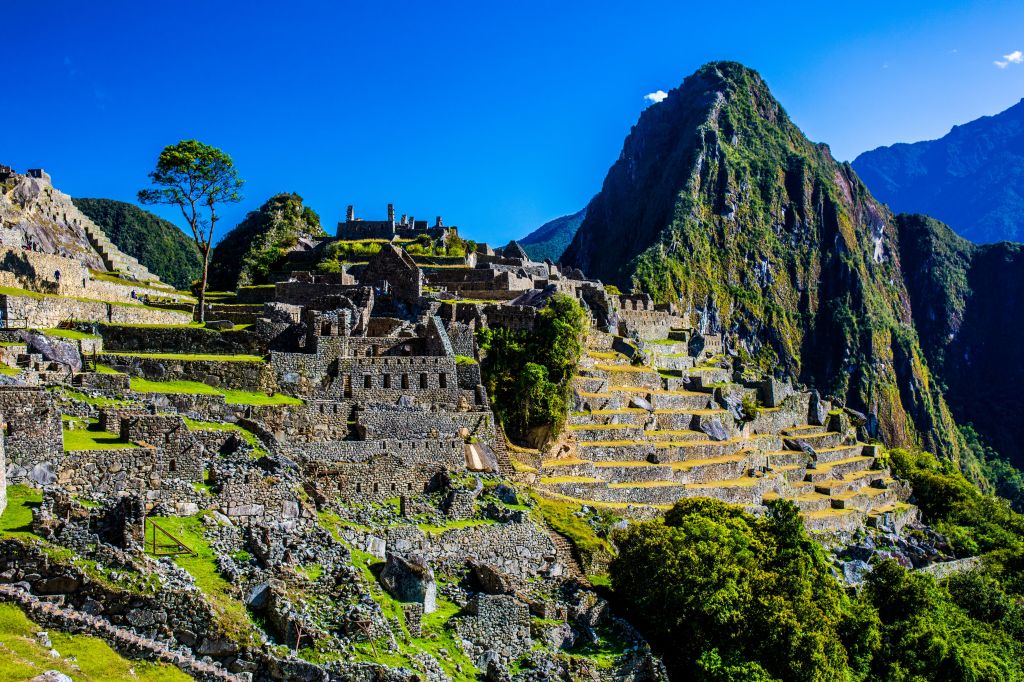
Aguascalientes is probably the most expensive village of Peru. It is the place every visitor to Machu Picchu has to go through at least once. The town is named for its hot thermal springs where you can refresh yourself after visiting Machu Picchu. To discover the ruins there are also several options. You can drive to the entrance with a bus or you can hike the stairs for about an hour. Uphill I went on the bus and after I walked downhill. The best times for a visit are very early in the morning or after two in the afternoon.
You have to have the ticket before you get to the entrance because you can’t buy tickets there. When you entered the site you can choose between four different tours. For the Wayna Picchu mountain you need a separate ticket. Once inside you can enjoy the phenomenal architecture of the Incas and wonder how they have built this incredible city on that mountain.

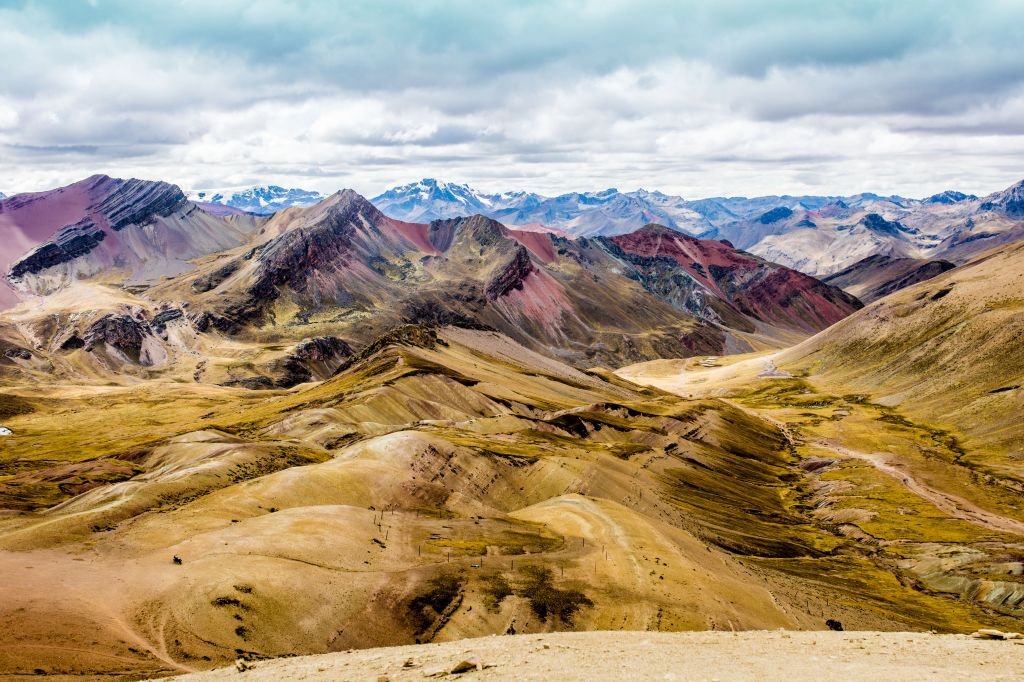
After visiting Machu Picchu I returned to Cusco to rest a bit. The next day I went on a tour to the Vinicunca mountain, the mountain of seven colors. Leaving Cusco at half past three in the morning with a small bus to the Vinicunca Valley and having a short stay for breakfast, we parked the bus at almost 4,600 meters above sea level. Beginning there it was an hour and a half hike to the top at 5,036 meters where the view into the valley is wonderful. If you’re lazy and don’t want to walk you can rent a horse but the altitude is noticeable on the horse as well and you’ll have to hike the last meters as well.
Back in Cusco I directly continued my trip to Lake Titicaca using a night bus. I arrived very early and embarked directly on one of the boats to visit the islands. It was a two-day tour including one night on the island of Amantaní. At first, we visited the floating islands of the Uros which are built out of cut totora, a thick, buoyant sedge that grows abundantly in the shallows of Lake Titicaca.
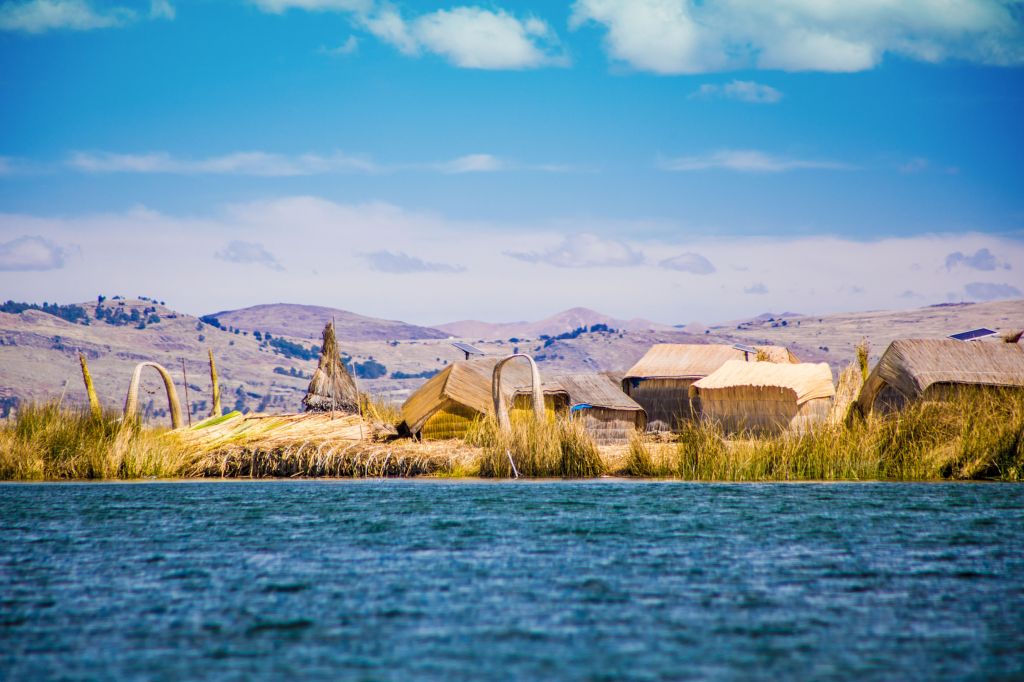

I would say it is interesting to visit the Uros but it is a bit like Disneyland. If you book a tour, check out that you visit Amantaní as well. It’s also touristic but not that much like on the Uros. There we stayed with a family in their house and they guided us around the island explaining their culture. During the night there is no light pollution and you have got a wonderful view of the firmament. The next day we went to another island called Taquile and returned to Puno in the afternoon.
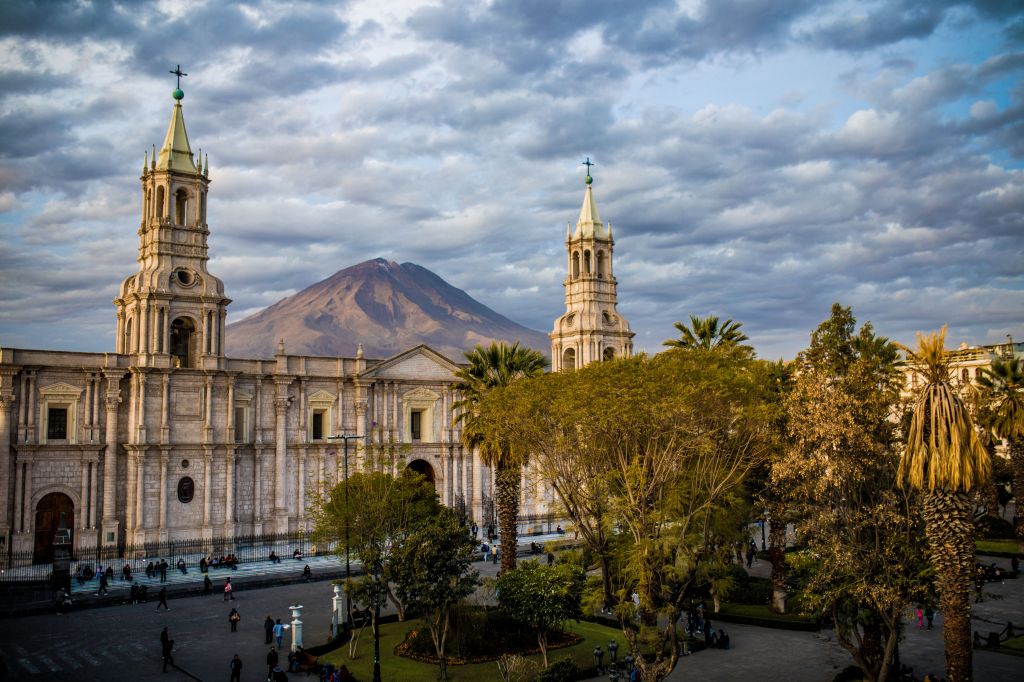
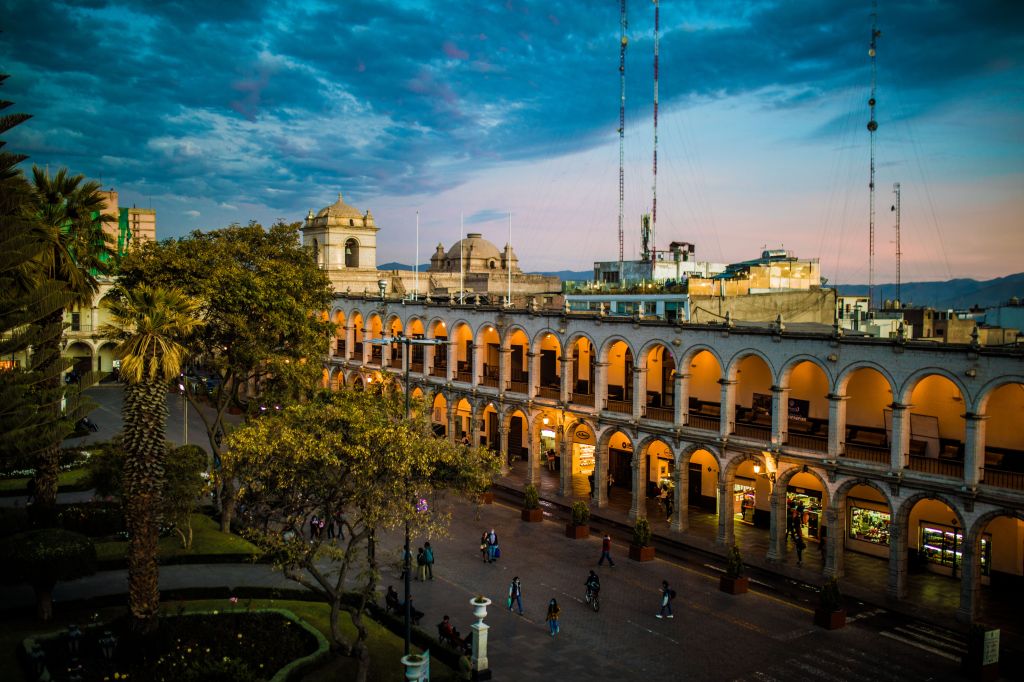
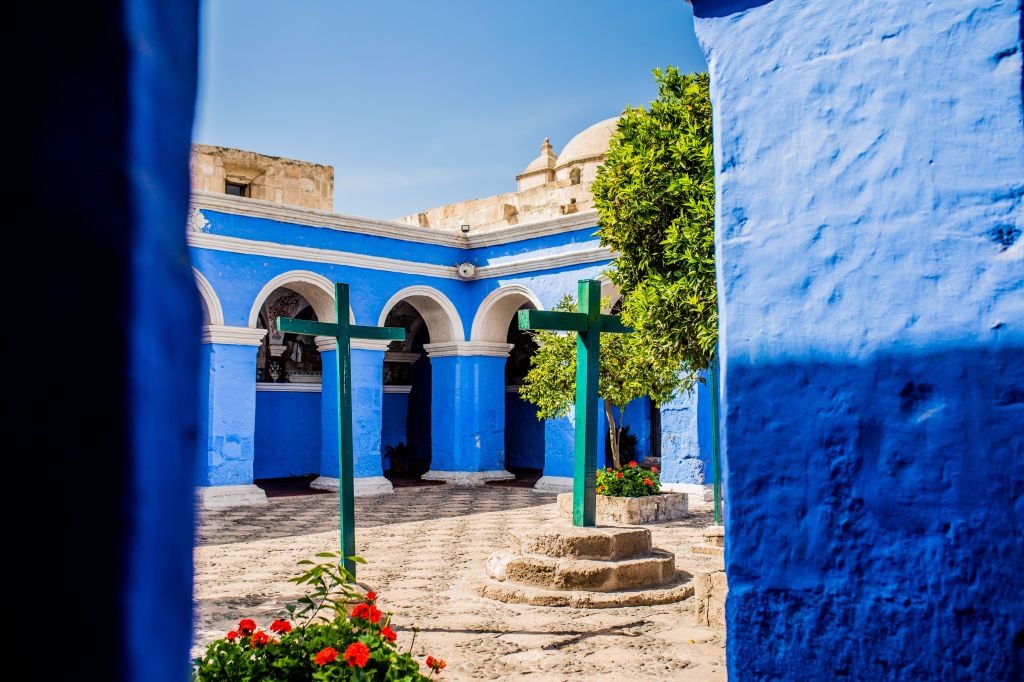
By using the night bus again to get to Arequipa, where my trip ends after a month, I left Puno on the same evening. In Arequipa I visited Andean Sanctuary Museum where the famous mummy of Juanita can be found. Juanita is in fact not a mummy but afrozen 12 year old Inca girl who was sacrificed to the gods in the 1450s. I had an excellent time in the restaurants of the second most populated city in Peru. On my last full day I visited the monastery of Santa Catalina which is part of the UNESCO World Heritage Site “Historical Centre of the City of Arequipa”. After more than four weeks I had to say goodbye to a wonderful country.
I will definitely return to this magic place with it’s wonderful people, culture and style of living. My time travelling through Peru was way to short and there is so much more to discover. See you soon!!!




 luispolland.com